By Renovo Path Team · · 7 min read · Retreat
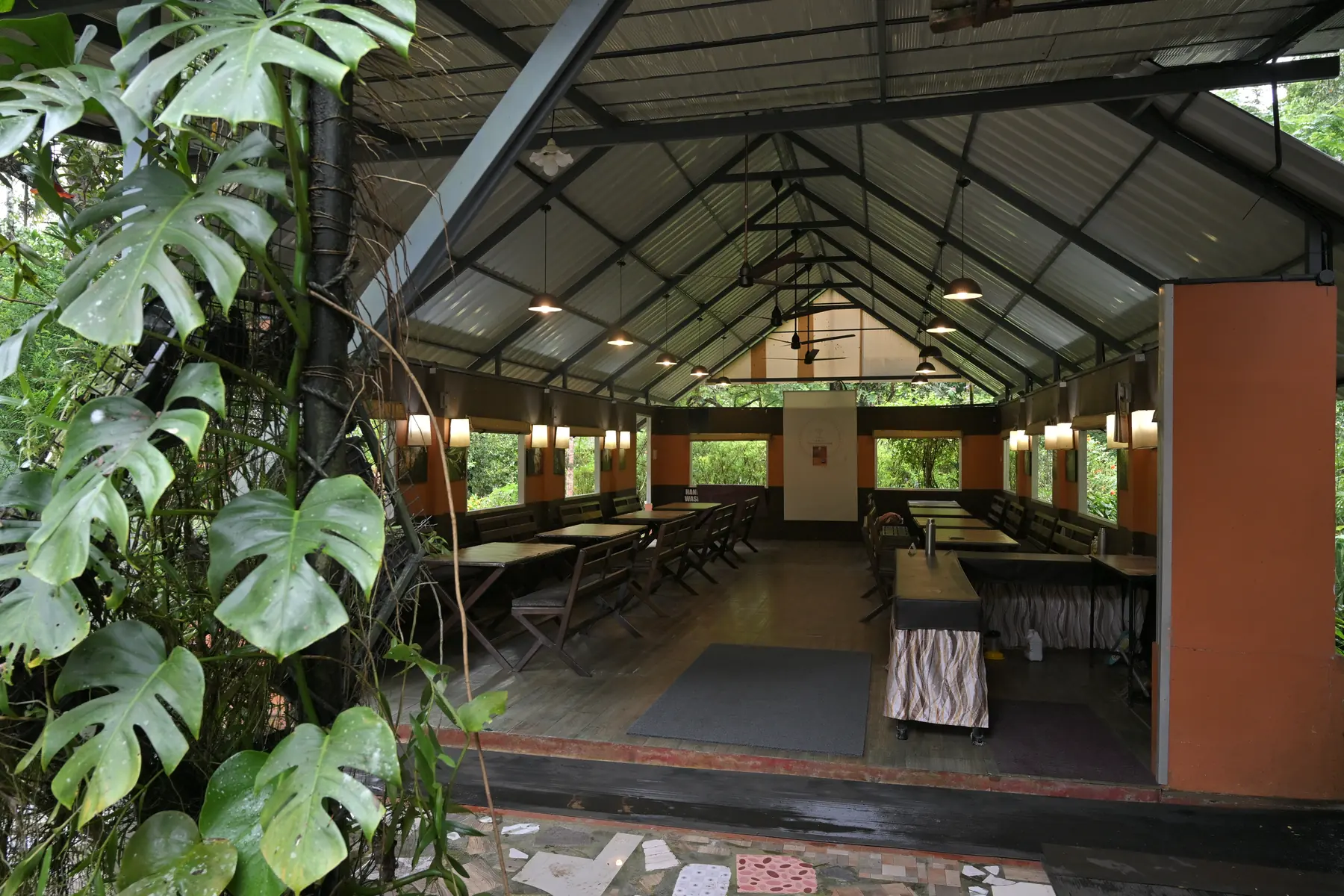
A day at a somatic retreat moves from the body towards the mind, not the other way round. It mixes guided body practice, games and theatre, small circles, reflection and real rest, and the proportions shift with each group. The exact schedule is shared with accepted participants before arrival.
Below is the shape of the days at a Renovo Path retreat, based on the indicative mix we publish. It is a description of the rhythm, not a timetable.
How the time is spent
The mix is indicative and is adjusted to each cohort.
- Somatic practice (about 25–30%): breath, movement and grounding
- Games and theatre (about 20–25%): role reversal, improvisation and mirror work
- Peer circles and dialogue (about 20–25%): small groups, shared honestly
- Reflection and clarity mapping (about 15–20%): looking at the life lived and the life wanted
- Rest, nature and integration (about 10–15%)
Starting from the body
Practice usually starts with breath and grounding, because a settled body makes everything after it easier. You are not asked to perform, stretch beyond your comfort or reach any particular state.
Why games and theatre?
Role reversal, improvisation and mirror work reach patterns that polite conversation avoids. They are often the part sceptics are most wary of and then remember best. They are playful on purpose, and nobody is expected to act well.
Circles
In small peer groups you speak and listen without advice-giving. Many people discover that their private predicament is a common one. What is said in the circle stays in the circle.
Reflection and rest
Guided reflection maps the distance between the life being lived and the life wanted. Rest and time in nature are not extras; they are how the rest of the work settles.
Arrival and departure
For the 24–27 December 2026 retreat in Kochi, arrival is on 24 December between 9 and 11 am and departure is from 4 pm onwards on 27 December. The retreat runs four days and three nights.
What a day is not
It is not a boot camp, a lecture series or a silent vow. You are not expected to perform, to reach a state or to share more than you want to. The programme gives you structure so that you do not have to plan your day, and it leaves room for rest.
How the four days build
The first day is mostly arriving and settling the body. Practice deepens over the middle days as trust in the group grows, and the final day gathers what came up and turns towards ordinary life. Six months of integration follow, because the real test is the Monday after.
What participants often say afterwards
People often say that the first day felt slower than expected, that games and theatre surprised them, and that listening in a circle turned out to be easier than speaking. Many describe how unusual it felt to have no task to complete. These are common themes in conversations with participants, not guaranteed outcomes, and every group is different.
Practical details to plan around
- Arrive in the morning window, so the first session starts with everyone present
- Wear clothing that lets you move, sit on the floor and spend time outdoors
- Bring a notebook, since insights are easy to lose
- Tell the team in advance about injuries, medication and dietary needs
How to rest properly between sessions
Rest is a skill many busy people have lost. Try sitting without a task, walking slowly outdoors, or simply lying down. Resist the urge to catch up on messages, since even brief checks pull attention back to work. The gaps between sessions are where much of the integration quietly happens.
Questions people ask before they come
- Will I be put on the spot? You choose how much to share
- Will it be too physical? Practices are simple and adaptable
- What if I need a break? Rest is part of the programme
- Will I be able to contact home? Agree this with the team beforehand
Key takeaways
- The rhythm moves from body to mind, and includes rest
- The schedule is indicative and shared with accepted participants
- Arrival is 24 December between 9 and 11 am, and departure is from 4 pm on 27 December
- Six months of integration follow the retreat
How to stay well through a full programme
Looking after the basics makes it much easier to take part with attention. Tiredness and hunger colour everything, and a retreat is a good chance to practise noticing and meeting them.
- Eat regular meals and drink water through the day
- Wear layers, since mornings and evenings can be cooler than midday
- Take breaks when you need them, without apology
- Keep caffeine moderate, since it can make practice feel jittery
- Go to bed early, especially in the first days
How the group changes over the days
On the first day, people are polite and a little guarded. By the second, the shared practice and meals have made them more relaxed, and conversations deepen. By the third, there is often a warmth and ease in the group that surprises people, and on the final day a quiet gratitude. This shift is one of the reasons small groups are valuable: it takes a little time, and it is worth it.
Why structure helps people let go
It can seem odd that a structured day helps you relax. But when you do not have to decide what to do next, a great deal of mental effort is released. The facilitators hold the time, the meals are arranged and the sequence is clear. All you have to do is take part. For people who spend their lives making decisions, this alone can be restful.
The structure also gives shape to the experience. Starting and ending each session with a short pause, moving from movement to stillness and back, and ending the day with reflection helps the mind and body to follow. You are carried by a rhythm that is larger than your own moods.
What participants bring from the day into the evening
Evenings are best kept simple. Resist the urge to catch up on messages or plan the next day. Let what you noticed settle before sleep.
- A notebook with a few lines about what they noticed
- A sense of tiredness that is pleasant rather than depleted
- Conversations that continue over dinner
- Sometimes a quiet mood, and sometimes laughter
- A wish to go to bed early
Questions to ask yourself at the end of a day
Writing a few words in answer helps you keep track of the thread across four days, and gives you something to take home.
- What did I notice in my body today?
- What surprised me?
- What did I find hard, and what helped?
- What do I want to remember from today?
- What would I like more of tomorrow?
What stays with people afterwards
When people describe a retreat later, they rarely remember the schedule. They remember moments: a silence after a circle, a laugh in a game, the taste of a meal eaten slowly, a conversation on a walk. Those small, textured memories are the substance of the experience. If you attend, let the days be what they are, and trust that you will carry away what you need.
Common questions
Do I have to take part in everything?
You always decide how much you do. Participation helps, but you can step back from anything that does not feel right, and you can say so to a facilitator.
Is it silent all day?
No. There is conversation and play as well as quiet. Silence is one part of the rhythm, used deliberately.
Will I have free time?
Rest, time in nature and integration make up part of the programme, and the mix is adjusted to each group.
How many people are in the room?
Sixteen at the Kochi retreat, by application, so the group is small enough for everyone to be heard.
Keep reading
If this sounds familiar, the Silent Gap explains the pattern, and the free Silent Gap guide gives you six questions to sit with. The next Renovo Path retreat is in Kochi, Kerala, on 24–27 December 2026, by application.