By Renovo Path Team · · 7 min read · Retreat
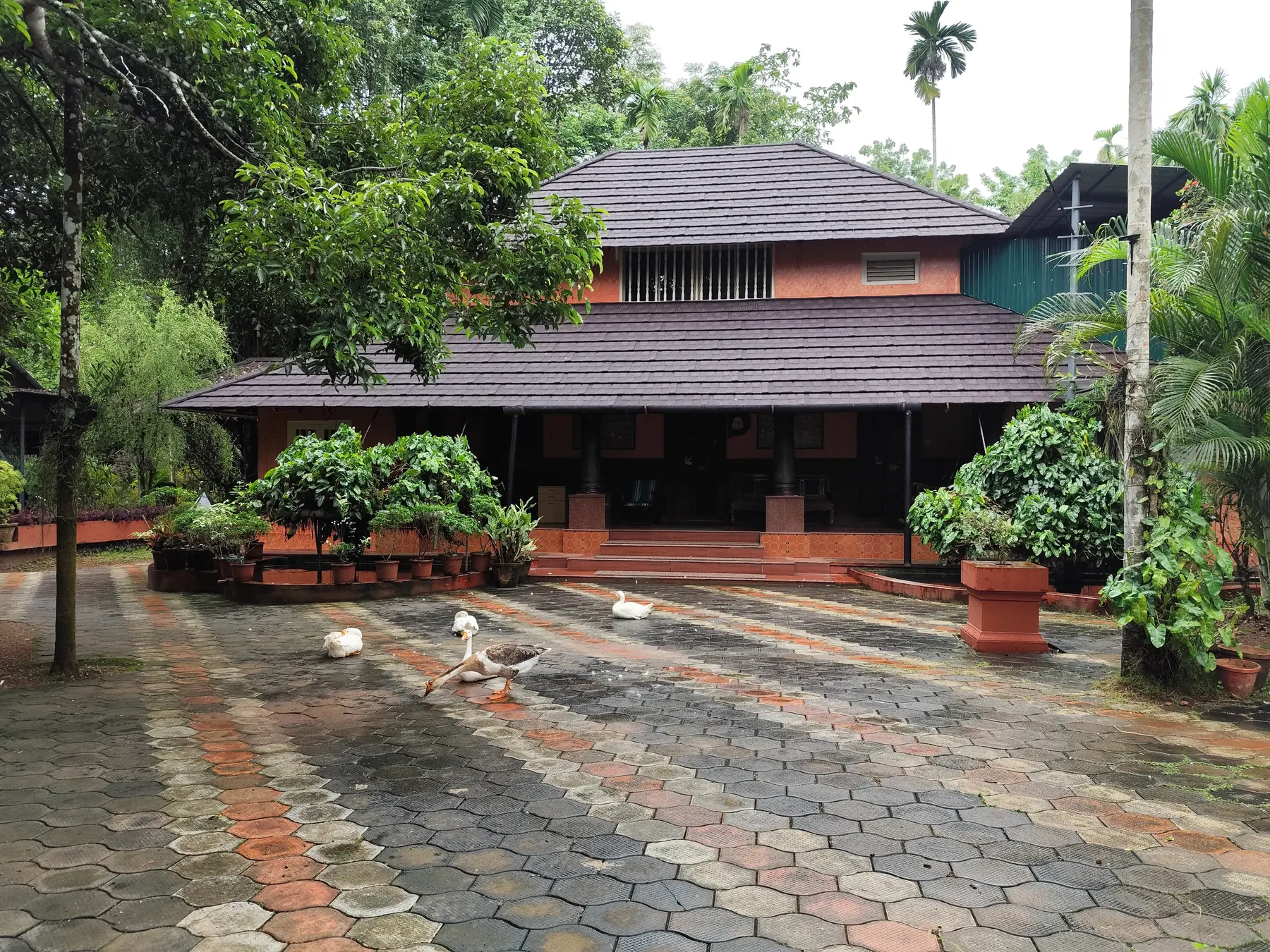
At your first retreat you can expect a structured programme, a small group of strangers who quickly stop being strangers, simple surroundings and more silence than you are used to. You do not need experience. You need curiosity, a little willingness and a sensible way of preparing.
What will the first day feel like?
Most people feel a mix of excitement and awkwardness. Expect an arrival window, a welcome, introductions and an opening session that sets the tone. It is normal to feel tired from the journey and unsure whether you belong. Almost everyone else feels the same.
How to prepare in the weeks before
- Clear your calendar properly, so work does not follow you in
- Tell the people who need to know where you will be, and when you will be reachable
- Sleep and eat reasonably well in the week before
- Write down what you hope for, in a sentence or two, and then hold it lightly
- Read what the organisers send, and ask questions early
What to ask the organisers
- Who is leading it, and what is their experience?
- What is the daily rhythm, and what is optional?
- What happens if I find something difficult?
- Who is this retreat not suitable for?
- What exactly does the fee include, and what is the cancellation policy?
What to pack
A list is sent to participants once their seat is confirmed. In general, think comfortable clothes you can move in, something warm for early mornings, a notebook, any medication you take, and very little else.
What to leave at home
Expectations of a transformation by Thursday, and your work laptop. A retreat does not fix a life in four days. It gives you distance, practice and company, and the follow-up afterwards matters as much as the retreat itself.
A note on expectations
Some people arrive hoping for a breakthrough and feel disappointed when the days are quiet. Others are surprised by how much a few unhurried hours changes. Neither is a failure. The most useful stance is open curiosity: arrive, take part, and notice what happens without grading it.
A realistic timeline of the first day
- Arrival, welcome and settling into your room
- A first gathering to meet the group and hear how things will run
- An opening practice to settle the body
- A shared meal, which usually does a lot to break the ice
- An early evening, and an early night, since the first day is tiring
Common worries and honest answers
'Will I be the odd one out?' Almost everyone worries about this, and groups tend to settle quickly. 'What if I cry or feel nothing?' Both happen, and neither is a problem. 'What if I cannot keep up?' Practices are guided and adaptable, and you can step back at any time.
How to leave well
On the last day, write down what you want to keep, share one commitment with someone in the group, and plan a gentle first week back. Leaving well is half of a good retreat.
A short packing and preparation list
- Confirm dates, travel and leave from work.
- Read the information sent by the organiser.
- Arrange cover for caring responsibilities.
- Pack light, comfortable clothes and a notebook.
- Sleep well the week before, and arrive rested.
Key takeaways
- Expect structure, a small group, simple surroundings and some silence
- Experience is not required, only curiosity
- Ask the organiser about screening, facilitators and what happens if you struggle
- Plan a gentle landing for your first week back
The emotional arc many people notice
Many participants describe a loose arc. On day one there is a mix of excitement, nervousness and tiredness. On day two, as the body settles, feelings can come to the surface, from sadness to irritation to unexpected joy. By day three there is often a sense of ease with the group and the rhythm, and on the last day a mixture of gratitude and reluctance to return.
This arc is a common pattern, not a rule. Your own may look different, and that is fine. Knowing that it is normal for the middle of a retreat to feel messy can make it easier to stay with the process rather than judge it.
Coming home
Returning from a retreat can be as notable as arriving. Ordinary sounds may feel loud, your usual routine may feel hurried and conversations may feel faster than you remember. This is normal and tends to settle within a few days. Give yourself a gentle landing: a light first day, a simple meal and time to write.
Share what you wish with those at home, and keep some of it to yourself. Try to keep one practice going, even for a few minutes a day. It helps to bridge the gap between the retreat and your daily life, and to remind you of what you noticed.
A short letter to a nervous first-timer
If you are nervous, here is something that may help: almost everyone is. The people who seem confident on the first day are often as unsure as you are. Nobody expects you to know what to do. You will be told, step by step, and you can step back when you need to.
You do not have to have a breakthrough, to cry, or to say anything profound. You only have to show up, take part as honestly as you can, and let the days do what they do. Most people leave glad they came.
Your questions answered at greater length
'What if I do not like the other participants?' You are likely to find that you like some more than others, and that is fine. In a small, curated group, most people find enough common ground. 'What if I feel too tired to take part?' Rest, and tell a facilitator. 'What if I get homesick?' Many people do. A call home, a walk or a conversation with someone in the group usually helps.
'What if I disagree with something said?' You can say so respectfully, or simply listen. Retreats are not debates, and you do not have to agree with everyone. 'What if I want to leave?' Speak to a facilitator first, since the feeling often passes, but you are free to go if you need to.
Practical details people forget
A short list prepared in advance saves stress on the day. Pack calmly, and give yourself time to check.
- Chargers, adapters and a small torch
- Any glasses, contact lenses or hearing aids you use
- A copy of your booking confirmation and ID
- Small change for local transport
- Medication, in its original packaging
- Earplugs, if you are a light sleeper
How to know a retreat was worth it
Not every retreat will be life-changing, and you do not need it to be. A retreat was probably worth it if you came away with more clarity, a practice you can use, a sense of connection with others or simply the experience of having rested well. You may also find the value arrives later.
Give it a few weeks before you judge. Many people say that the days after a retreat, as they notice small shifts in how they respond to things, are when they understand what it gave them.
Go with an open mind
You do not need to know exactly what will happen, or how you will feel. Prepare sensibly, ask your questions and then let go of the script. Most people find the days gentler and more interesting than they feared. Be kind to yourself, take part as best you can and let the experience unfold at its own pace.
Common questions
What if I am an introvert?
Many participants are. Circles are held so that you speak when you are ready, and listening counts as taking part.
What if I find it too hard?
Tell a facilitator. Practices can be adjusted, and if you need more support than a retreat can offer, a responsible organiser will help you find it.
Can I keep my phone?
Ask your organiser about their policy before you go. Many retreats ask people to keep devices away from sessions so everyone can be present.
Will I be asked to share personal things?
Sharing is invited, not demanded. You choose what to say, and the circle is confidential.
Keep reading
If this sounds familiar, the Silent Gap explains the pattern, and the free Silent Gap guide gives you six questions to sit with. The next Renovo Path retreat is in Kochi, Kerala, on 24–27 December 2026, by application.