By Renovo Path Team · · 7 min read · Silence
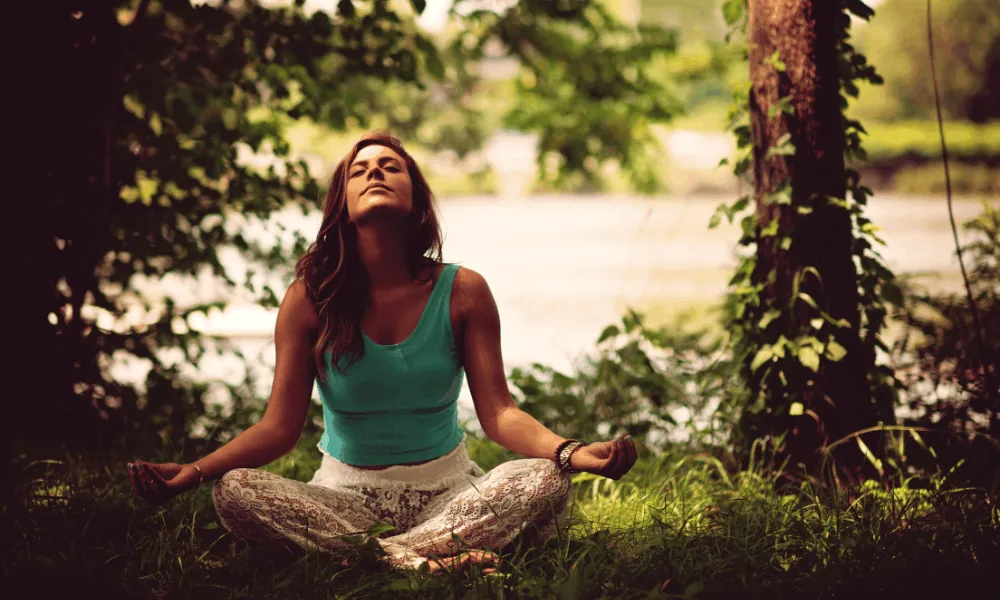
A silent retreat removes talking to turn attention inward, while a guided retreat uses structure, practice and conversation to help you reflect. Silent retreats suit people who are comfortable alone with their thoughts. Guided retreats suit people who want support and company. Renovo Path is a guided retreat that includes silence.
What a silent retreat is
Participants agree not to speak for much or all of the stay, often to practise meditation. It can be deeply restful and clarifying. It can also be hard if you are going through something difficult, since there is less support in the moment.
What a guided retreat is
A programme with facilitators, practice, discussion and rest. You speak and listen, take part in exercises and often work in small groups. The structure carries you, so you do not need previous experience.
Who tends to prefer which
- Silent: people with a meditation practice, who like solitude and are well supported at home
- Guided: people new to retreats, who want company, structure and someone to ask
Silence inside a guided retreat
Renovo Path includes silent reflection as one part of the rhythm, alongside somatic practice, games and theatre, circles and rest. Silence is used on purpose, not as a vow.
Choosing
- Think about how you handle long stretches alone.
- Consider whether you want a group.
- Check your health and any support needs.
- Ask the organiser what happens if you find it hard.
A comparison you can use
- Silent retreats: little or no speaking, often long days of sitting and walking, minimal instruction
- Guided retreats: speaking, listening and exercises, a shorter day with more variety
- Silent retreats ask more of your own resources, and guided ones carry you with structure
- Both can be valuable, and the right one depends on your history, health and goals
A few cautions about long silent retreats
For some people, long periods of silence and intensive practice can stir up difficult memories or emotions without much support. If you have a history of trauma, anxiety or depression, speak to a professional and to the organiser before booking, and consider starting with a shorter or guided format.
How to try silence gently
- Spend a quiet hour at home without screens or talking.
- Try a silent meal, noticing taste and sound.
- Take a silent walk of twenty minutes.
- Notice how it feels before committing to anything longer.
Questions to ask yourself
- How do I feel after a quiet hour alone?
- Do I want to talk, or to listen to my own mind?
- Do I have experience of long sitting?
- How well supported am I at home?
Key takeaways
- Silent retreats remove talking, and guided retreats add structure and company
- Renovo Path is a guided retreat that includes silence
- Take extra care with long silent retreats if you are vulnerable
- Try short silence at home first
What a guided retreat with silence feels like
In a guided retreat, silence usually arrives in small, deliberate pieces: the first few minutes of a morning session, a silent walk, a quiet meal, a few minutes of reflection after an exercise. Because it is brief and framed, it is easier to enter, and because people are talking at other times, there is always someone to share with if something comes up.
Many people find that these short silences are surprisingly full. A five-minute pause after a circle can show you more about what you felt than an hour of discussion, and it asks far less of your endurance than a week of silence would.
A comparison of a typical day
A day on a long silent retreat might begin before dawn with sitting practice, alternate sitting with walking through the day, include a simple meal in silence, and end with a talk or reading before sleep. There is little conversation, and the main work is solitary.
A day on a guided retreat is more varied: a morning practice, a facilitated exercise, a shared meal with conversation, an afternoon circle, a period of rest, and an evening reflection. Both ask for attention, but in different ways, and neither is easier. Some people find the solitude of a silent retreat more demanding; others find the social exposure of a guided one more so.
How to decide if you are unsure
If you are unsure, begin with the gentler option. A guided retreat of a few days gives you a taste of structured practice with support, and you can always choose a longer, quieter retreat later. If you have little experience of sitting still, build up through short daily practice before you book anything intensive.
Whichever you choose, ask the organiser about screening, support and what happens if you find it hard. A retreat that welcomes those questions is a good one.
What to ask about the retreat setting
The answers tell you a lot about how the retreat is run, and whether it suits your temperament and your needs.
- How many hours a day is practice, and how many is rest?
- Is there someone to talk to if I find it hard?
- What happens if I want to leave early?
- Are there rules about phones, reading and writing?
Preparing for either kind of retreat
Preparation does not have to be elaborate. A little care beforehand makes a large difference to how much you can take in.
- Tell your doctor or therapist about your plans, if relevant.
- Arrange cover for work and caring responsibilities.
- Reduce caffeine and screens for a few days beforehand.
- Read what the organiser sends, and ask what you do not understand.
- Pack light, and bring a notebook.
- Arrive rested, and give yourself a day to settle.
What happens in the body and mind in long silence
After a day or two of silence, many people notice that their mind becomes noisier before it becomes quieter. Thoughts, memories and plans surface, sometimes in surprising volume. By the third or fourth day, there can be more spaciousness. Some people experience deep rest, others strong emotions, others boredom and restlessness.
Because experiences in long silence can be intense, it is important to have support available. Good silent retreats offer check-ins with teachers and clear ways to ask for help. If you are new to meditation, a guided retreat with more variety may be a gentler place to start.
What guided retreats offer that silence does not
These features suit people who value connection and guidance. They also make it easier to talk about what you are experiencing.
- Company: you share the experience with others
- Variety: a mix of movement, conversation, play and quiet
- Immediate support: facilitators who respond to what is happening
- Accessibility: practices that do not require long sitting
- Integration: structures for taking insights home
Choosing based on where you are right now
Your answer may change over time. You might begin with a guided retreat, discover that you enjoy long quiet periods, and later try a silent one. Or you might try silence and find that you value company more than you expected. Neither is wrong.
What matters is that your choice fits your current life, health and support. Be honest about your capacity, and err on the side of gentleness. A retreat that leaves you steady and curious is usually better than one that leaves you drained.
Choosing with confidence
Whichever format you choose, a good retreat will be honest about what it offers, careful about who it accepts and clear about what happens if you struggle. Ask your questions, take your time and trust your sense of what you can handle. Many people go on to try both formats over the years. The best first step is the one that leaves you curious, supported and willing to continue.
Common questions
Is Renovo Path a silent retreat?
No. It includes silence, but also conversation, play and circles.
Are silent retreats safe?
Many people benefit, but they can be hard if you are struggling. Check suitability with the organiser and your doctor.
Do I need meditation experience?
Not for a guided retreat. The practices are simple and led.
Keep reading
If this sounds familiar, the Silent Gap explains the pattern, and the free Silent Gap guide gives you six questions to sit with. The next Renovo Path retreat is in Kochi, Kerala, on 24–27 December 2026, by application.