By Renovo Path Team · · 7 min read · Retreat
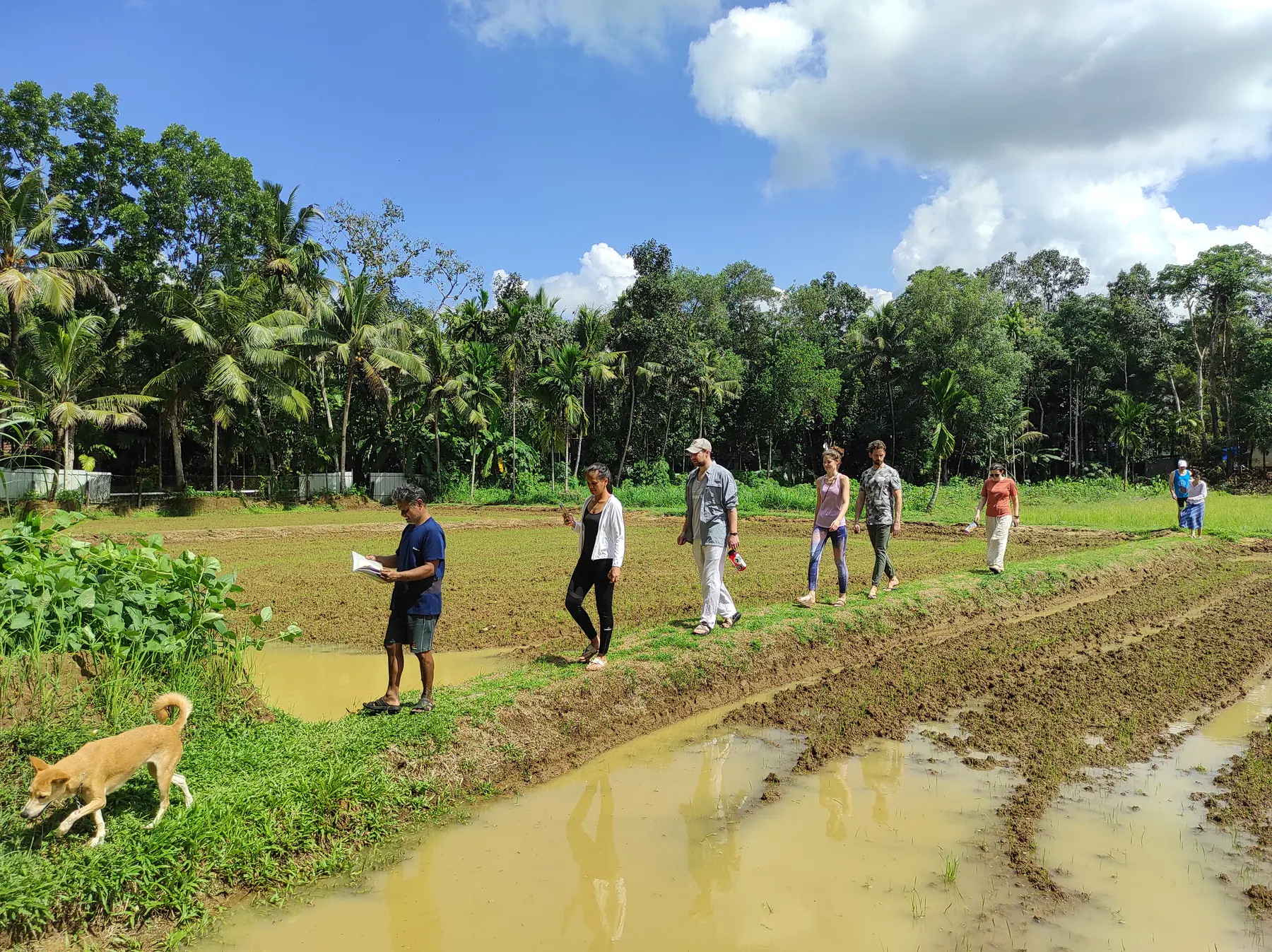
To get the most from a retreat, arrive properly, set a light intention, take part honestly, rest without guilt and write things down while they are fresh. Do not try to make anything happen. Attention, honesty and a little patience do most of the work.
Arrive properly
Plan travel so you arrive calmly, not at the last minute. Put your phone away, tell people when you will be back, and let the first day be about settling in. It is normal to feel tired or restless at first.
Set a light intention
Choose one question or hope, in a sentence. Hold it lightly. If it changes during the retreat, that is information. Avoid a long list of goals; they tend to create pressure.
Take part honestly
- Join in as much as you can, and say no when something does not feel right
- Be honest, in your own words, about how you feel
- Listen to others without comparing
- Ask the facilitators when you are unsure
Rest without guilt
Rest is part of the programme. Sleep, walk, sit quietly. Many people find the clarity arrives in the gaps.
Capture it
- Keep a small notebook.
- Each evening write three lines: what I noticed, what surprised me, what I want to remember.
- On the last day, choose one change to begin when you return.
A simple daily rhythm for yourself
- Morning: a few minutes of quiet before the first session, and one line in your notebook about how you feel.
- During sessions: participate, and notice one thing that surprises you.
- Afternoon: take a real break, outdoors if you can.
- Evening: write three lines, and go to bed early.
What to do with strong feelings
Strong feelings may arise, from sadness to irritation to unexpected joy. You do not have to resolve them. Notice where you feel them in the body, breathe, and share them with a facilitator or in the circle if you wish. Strong feelings are often information, and they usually pass.
How to connect without oversharing
Connect through listening and small acts of kindness: passing the water, walking with someone who looks alone, thanking someone for what they said. You do not have to share everything. A few honest sentences are enough to build trust.
Common mistakes
- Trying too hard to have a breakthrough
- Checking messages during sessions
- Comparing yourself with other participants
- Skipping rest to do more
Key takeaways
- Arrive properly, set a light intention and take part honestly
- Rest is part of the work
- Capture insights in a notebook
- Plan your first week back
What to do when you feel resistant
Around the second day, many people feel resistance: boredom, irritation, a wish to check messages or leave early. It rarely means the retreat is wrong for you. More often it is the mind meeting a slower pace, and it tends to pass if you stay with it for a little while.
Try naming the feeling quietly ('this is restlessness'), take a few slow breaths, and continue with the next activity. If the resistance is strong or comes with distress, speak to a facilitator, who can help you adjust or step back. Staying through mild discomfort and leaving a situation that is truly harmful are different, and you are the judge of which is which.
What to do with phones and work
The biggest drain on attention at any retreat is the pull of the phone. Decide before you arrive how you will handle it: tell the people who need to reach you when you will check messages, set an out-of-office, and ask the team what their policy is. Many people find it easiest to keep the phone switched off in a bag and to check it once a day at a set time.
If you are carrying urgent work, be honest with yourself about what is genuinely urgent. A retreat that is interrupted by constant small tasks is rarely a retreat. Arranging cover, even for four days, is an act of respect for the time you have set aside.
How to take part when you feel shy
If you are shy, you are not alone. Start small: say your name, share one sentence in a circle, or offer to help with something practical. You do not need to be the most open person in the room to benefit. Often the quietest members turn out to have listened most carefully, and others are grateful for what they say when they do speak.
Let the structure help you. Exercises and circles give everyone a turn, and facilitators are there to make space for those who need it. If you want a little extra support, tell a facilitator at the start, and they can adapt things.
A simple closing ritual for the last day
- Sit quietly for five minutes, noticing how you feel.
- Write down three things you want to remember.
- Write one small action to begin within a week of returning.
- Share one sentence of thanks with someone from the group.
- Take a slow breath, and step back into the day.
What to expect in the first week back
The first week home can feel odd. You may be more tired, more sensitive or more emotional than usual, and ordinary tasks may seem different. This is common. Ease back in: keep your first days light, eat simply and sleep well.
Reach out to one person from the group if you can, and keep up a short daily practice. If you feel low for more than a couple of weeks, or if you feel unsafe, speak to a doctor or counsellor. Most people find that the settling-in period passes within days.
Taking care of your body during a retreat
A retreat can be physically gentle and still tiring. Long periods of sitting, unfamiliar movement, new food and early starts all take a toll. Look after yourself: drink water, eat regular meals, stretch when you can and rest in the gaps. If something hurts, adjust or stop.
Listen to your body as you would a friend. If you are tired, rest. If you are restless, move. If you are hungry, eat. These are not distractions from the retreat. They are part of it, and a good way to practise the attention the retreat is trying to build.
How to make the most of free time
Free time is part of the design. Resist the temptation to fill it with email, social media or plans. The spaces between sessions are often where the most unexpected insights arise.
- Take a slow walk, noticing what is around you
- Write in your notebook, without trying to be profound
- Sit quietly in a place you like
- Talk with someone from the group, if you wish
- Rest, without feeling you should be doing something
What to do if you feel you are not getting anything out of it
Some people reach the middle of a retreat and feel flat, wondering whether it is working. This is common. Insight does not arrive on schedule. Stay with the programme, keep paying attention and be patient. Often the value appears in small, quiet ways, or after you return home.
If you are really struggling, speak to a facilitator. They can help you see what is happening and adjust your approach. And if you decide the retreat is not right for you, that is information, too, and you can use it to choose better next time.
In short
Arrive rested, set a light intention, take part honestly and rest without guilt. Look after your body, keep a small notebook and be patient with what unfolds. When you return, protect a simple practice and keep in touch with a peer. A retreat gives you time and company. What you make of it is yours.
Common questions
What if nothing seems to happen?
That is common, and not a failure. Effects often show up in the days and weeks afterwards.
What if I find something hard?
Tell a facilitator. You can step back from any activity, and support can be offered.
What should I do on the last day?
Write down what you want to keep, and agree one small action for the first week back.
Keep reading
If this sounds familiar, the Silent Gap explains the pattern, and the free Silent Gap guide gives you six questions to sit with. The next Renovo Path retreat is in Kochi, Kerala, on 24–27 December 2026, by application.