By Renovo Path Team · · 7 min read · Retreat
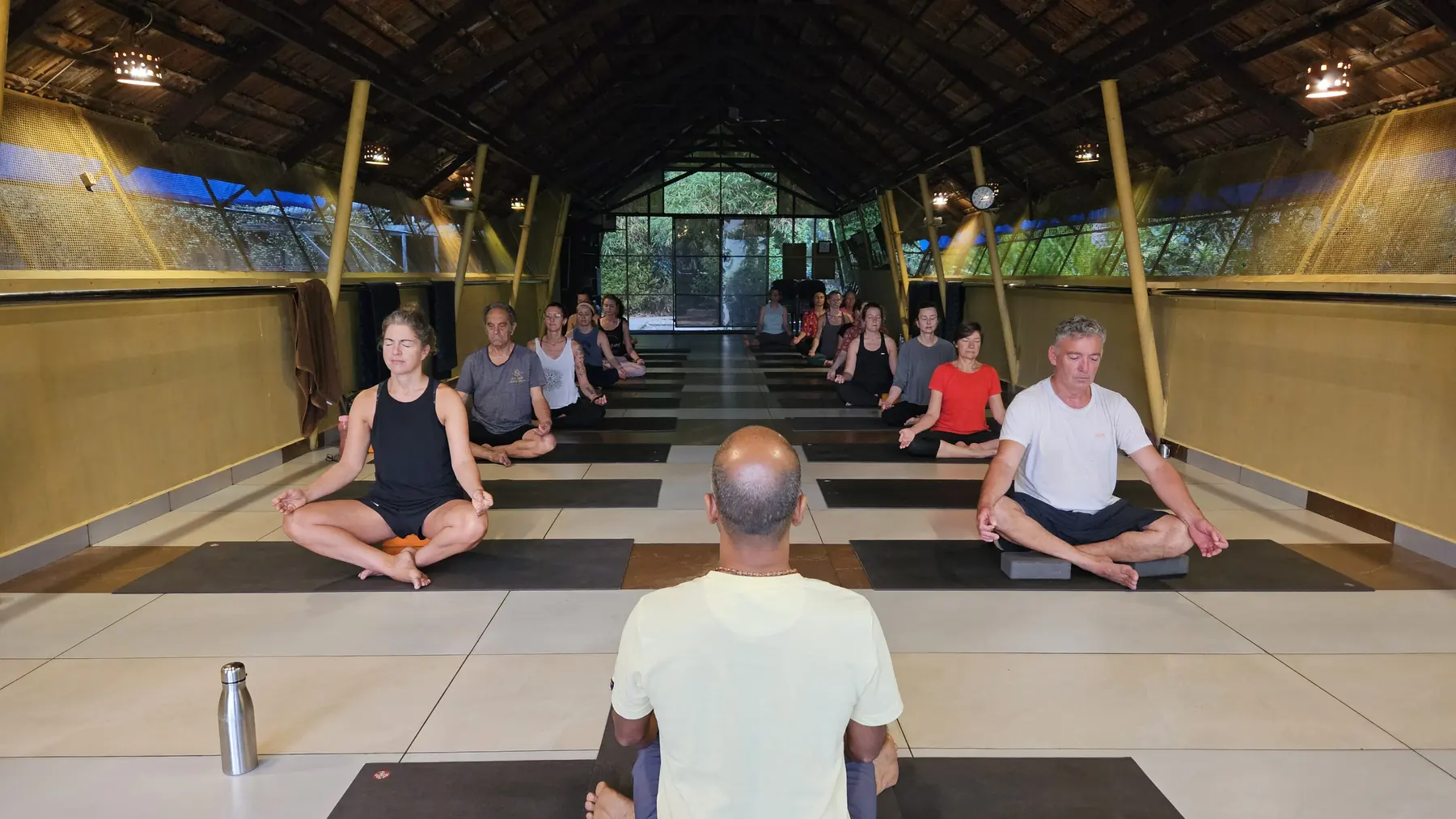
A retreat is likely right for you if you are reasonably well, curious about your own life, willing to take part honestly, and able to spend a few days away. It is probably not right now if you are in crisis, unwell or being pushed to go. This checklist helps you tell.
Signs it may suit you
- You are functioning, but something feels missing
- You want time to reflect, not just rest
- You can be open, and listen to others
- You are willing to follow the programme, with room to opt out
- You can arrange a few days off without constant interruptions
Signs to wait or seek care first
- You are in acute distress, or have thoughts of harming yourself
- You are in active addiction
- You are living with severe mental illness that is untreated
- Someone else is pushing you to go
- You are hoping a retreat will fix a medical problem
Questions to ask yourself
- What do I hope to understand or change?
- Am I prepared for some discomfort?
- Who can support me when I return?
- Have I checked with my doctor or therapist, if relevant?
What a good organiser will ask you
They will ask who you are, why you want to come, and about your health and support. They may say that now is not the right time. That honesty is a good sign, not a rejection.
If you are unsure
Read a guide, try a short practice, or talk to someone who runs the retreat. At Renovo Path, entry is by application, followed by a free discovery call, precisely so you can decide with good information.
Scoring your readiness
Give yourself a point for each statement that is true: I am physically well enough to take part. I have support at home. I can be away for the full dates. I am curious rather than desperate. I can listen as well as speak. If you scored four or five, a retreat may well suit you. If you scored lower, consider what could change, or choose a gentler first step such as a guided practice or a conversation.
What if the answer is not yet?
Not yet is a perfectly good answer. You might begin with a few weeks of daily practice, a conversation with a doctor or therapist, or a free guide. You can apply later, and a thoughtful organiser will welcome that.
Questions for a discovery call
- What does a typical day look like?
- How do you support someone who finds it hard?
- Who has found this retreat least useful?
- What would you want me to know before I decide?
How to prepare if you decide yes
- Read about the retreat and its fit check carefully.
- Talk to your doctor or therapist if relevant.
- Apply honestly, and answer questions candidly.
- Use the discovery call to ask what worries you.
Key takeaways
- A retreat suits people who are well, curious and ready to take part
- Wait or seek care first if you are in crisis, in addiction or unwell
- Not yet is a good answer
- A good organiser will tell you honestly if it is not right now
What a good fit tends to look like
People who benefit from a retreat like this often share a few traits: they have built something in life, they are reasonably stable, and they have a quiet question that thinking has not answered. They are willing to be a participant and not a spectator, and they can tolerate not knowing for a few days.
They also tend to have some support to return to, such as a partner, a friend or a professional they trust, so that what they notice can be carried into ordinary life. If this sounds like you, a conversation with an organiser is a sensible next step. If it does not, it is no judgement on you. It may simply not be the right time.
Considering your health first
A retreat asks you to sit, move gently, speak in groups and be away from your usual supports. If you have a medical condition, an injury, a history of mental-health difficulty or you take regular medication, talk to your doctor or therapist before you apply, and tell the organiser what they advise.
This is not about being turned away. A responsible retreat adapts where it can, and will tell you honestly if it cannot meet your needs. Being open about your health at the start protects you, and it protects the group.
Time, money and support
If the answers are mostly yes, you are probably in a good position. If not, consider waiting until the practical pieces are in place, so the retreat is a gift, and not another pressure.
- Can you take the dates off without constant interruptions?
- Can you afford the fee, travel and any lost income without strain?
- Is someone available to cover caring or work responsibilities?
- Do you have someone to talk to when you return?
If you are still unsure
Try a small experiment first. Read the free guide, do the ten-minute guided practice in our journal, and see how it feels to sit with a question. Notice whether you are curious or dreading it. Speak to someone who has attended a retreat, if you can.
Then, if you feel drawn, book a discovery call with the organisers. It costs nothing, and the conversation will tell you a lot. You can say no at any point, and a good organiser will respect that.
What to expect if you are accepted
If you apply and are accepted, you will usually hear from the organiser with next steps: confirmation of your place, payment details, practical information and a way to ask questions. You may be invited to a call before you arrive. Use these touchpoints to raise anything on your mind, from dietary needs to health questions.
It helps to approach the days ahead with a light preparation: read the programme, arrange your time off, and plan travel so you arrive rested. Then let go of controlling how it will go. A retreat tends to work best when you turn up open, and not with a fixed idea of what should happen.
Signs of readiness and signs of avoidance
Sometimes people want a retreat because they are ready to look at something, and sometimes because they want to escape something. Both are human, and it is worth being honest about which is closer to your truth. If you are mainly running from a situation you need to address, such as a conflict at home or a crisis at work, a retreat may offer relief but not resolution.
Ask yourself: if I came back and nothing at home had changed, would I still be glad I went? If the answer is yes, you are probably going for the right reasons. If not, you may want to deal with the immediate situation first, or go with a clear plan for what you will do when you return.
Alternatives if now is not the time
Any of these can help you keep moving while you decide, and none closes the door on a retreat later.
- A daily practice at home, even for five minutes
- A local class, such as yoga, tai chi or a mindfulness course
- A day of silence at home, with no screens
- Counselling or coaching, if you need regular support
- A trip with friends or family that gives you rest
- The free guide and journal practices on this site
One more thought
Deciding whether a retreat is right for you is itself a useful piece of reflection. Whichever way you decide, you will have learned something about what you want and what you can offer. If the answer is yes, take the next step with care. If it is not yet, trust that too, and keep looking after yourself in the meantime.
Common questions
What if I am an introvert?
Many participants are. You decide how much you share, and listening is part of taking part.
What if I am sceptical?
Scepticism is welcome. The work is grounded in experience, not belief.
Can I go alone?
Yes. Most people come alone, and the group becomes familiar quickly.
Keep reading
If this sounds familiar, the Silent Gap explains the pattern, and the free Silent Gap guide gives you six questions to sit with. The next Renovo Path retreat is in Kochi, Kerala, on 24–27 December 2026, by application.