By Renovo Path Team · · 7 min read · Practices
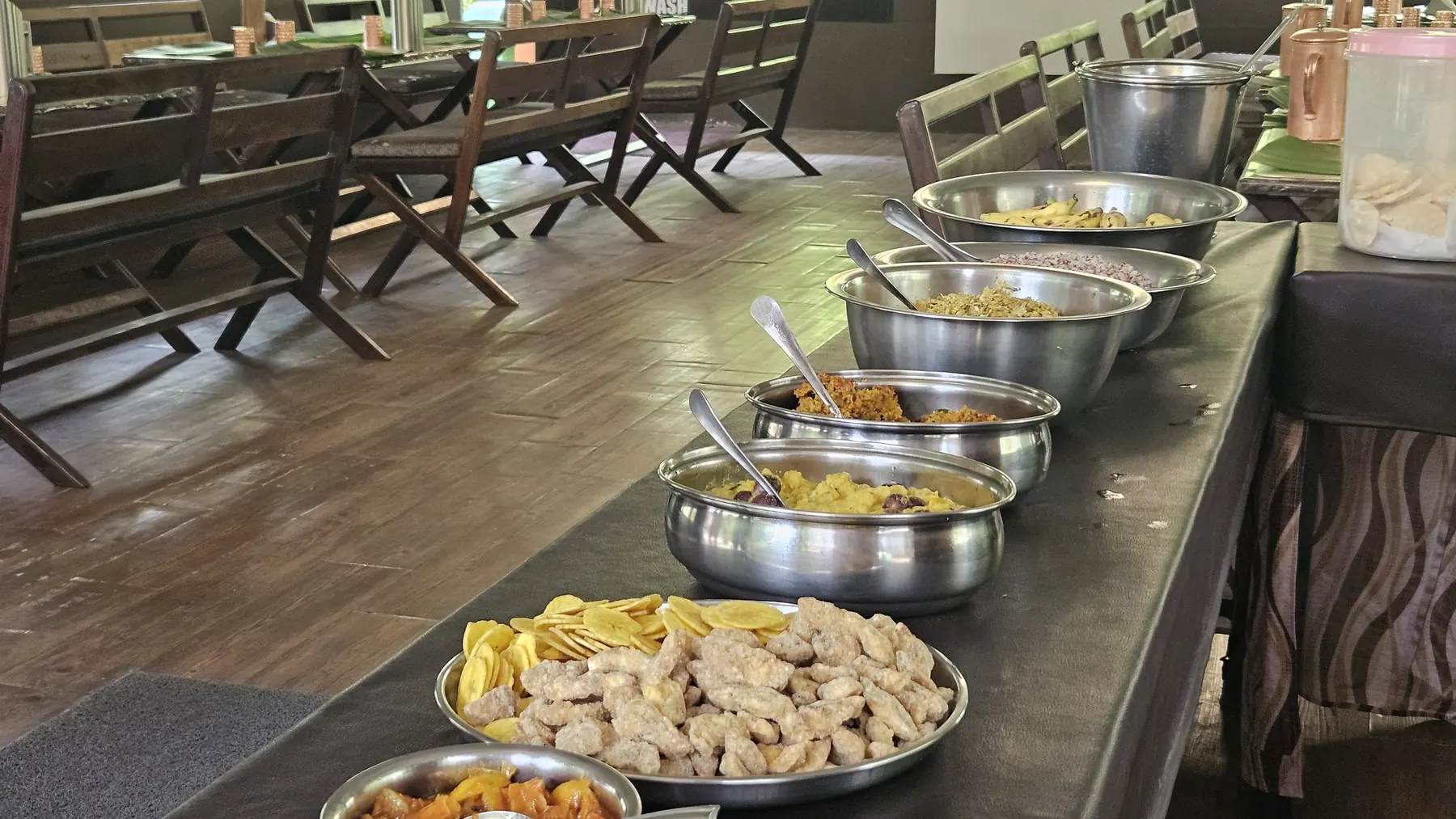
Conscious eating means paying attention, on purpose and without judgement, to the experience of eating: the look, smell and taste of food, the sensations of hunger and fullness, and the thoughts and feelings that arise around a meal. It is not a diet, and it has no forbidden foods. It is a way of bringing the same quality of attention that meditation trains to something we do several times a day.
This article explains what conscious eating is and is not, why it can help, how to try it in small steps, how to handle common obstacles, and when to take extra care. It is general information and not a substitute for medical or nutritional advice.
What conscious eating is
Conscious eating, often called mindful eating, applies the principles of mindfulness to meals. You notice what you are eating, how it tastes, how your body responds and what motivates you to eat. You slow down enough to be present at the meal, rather than eating on autopilot in front of a screen.
It does not prescribe what to eat. It simply invites you to know what you are eating and how you feel, which many people find changes their relationship with food without any rules at all.
Why we eat on autopilot
Modern life encourages distracted eating: lunch at the desk, dinner in front of the television, snacks while scrolling. When attention is elsewhere, we miss the signals of fullness, taste less of what we eat and often eat more or less than we need. Eating can also become a way of managing stress, boredom or tiredness, without our noticing.
Seeing this clearly is not a cause for guilt. These patterns are ordinary and learnable. Conscious eating gives you a way of noticing them, so that you can make more deliberate choices when you want to.
What research suggests
Studies of mindful eating programmes suggest they can help some people with patterns such as emotional or binge eating, and with a more relaxed relationship to food, though the research is mixed and often small-scale. Evidence for weight loss specifically is not strong, and mindful eating should not be presented as a weight-loss method.
A sensible view is that conscious eating can support a healthier relationship with food and more enjoyment of meals. It is not a treatment for eating disorders, and anyone who struggles with eating should speak to a doctor or qualified professional.
A five-minute raisin exercise
This classic exercise shows how much there is to notice in a single bite. It usually takes only a few minutes and many people are surprised by how different the food tastes.
- Take a single piece of food, such as a raisin, a nut or a slice of fruit.
- Look at it closely, as if you have never seen it before: colour, texture, shape.
- Smell it, and notice any response in your mouth.
- Place it in your mouth without chewing, and feel its texture and weight.
- Chew slowly, noticing the flavours as they change, then swallow.
- Notice how your body feels afterwards.
Bringing it to ordinary meals
You do not need to do all of this at every meal. Choose one or two habits, and practise them until they feel natural.
- Eat at a table, without a screen, for at least one meal a day
- Take a breath before the first bite, and notice the smell and look of the food
- Put your fork down between mouthfuls from time to time
- Chew thoroughly, and notice flavours and textures
- Pause halfway through and check how hungry you still are
- Finish by noticing how your body feels, with no judgement
Hunger, fullness and emotion
Conscious eating invites you to notice physical hunger, which may show up as an empty stomach, low energy or a light head, and fullness, which may be a comfortable satisfaction. It also invites you to notice emotional urges to eat: a wish for comfort, a break or reward. Neither is wrong. Knowing which is operating helps you respond.
If you eat to soothe feelings, you can pause and ask what you need. Sometimes it is food. Sometimes it is rest, company or a walk. Having the choice is the point, and it develops gradually.
Eating together and in different cultures
Many cultures treat meals as shared occasions, with rituals of washing hands, serving others and expressing thanks. These practices naturally slow us down and bring attention to the meal. In a country like India, where food is often eaten with the hands and served in several small portions, the opportunity to notice texture and flavour is built in.
You can draw on this: eat with others when you can, put phones away, thank whoever prepared the food and serve others before yourself. Conscious eating is less a new technique than a recovery of something many traditions already know.
Common obstacles
- Time pressure: start with one meal or one snack a day
- Distraction: put your phone in another room
- Family routines: invite others to join, or keep your practice private
- Boredom: notice the boredom and the urge to reach for food, without judging
- Guilt: remember that conscious eating is not about rules or perfection
Cautions
If you have, or have had, an eating disorder, or if thinking about food and your body is distressing, approach conscious eating with the guidance of a qualified professional. Paying close attention to hunger and fullness can sometimes increase anxiety for people who are vulnerable.
Also, do not use conscious eating to restrict food or to punish yourself. It is about kindness and awareness. If you have a medical condition that affects what you should eat, such as diabetes, follow your doctor's advice and use attention to support it.
Conscious eating on a retreat
Meals on a retreat are often a quiet pleasure. They are simple, shared and eaten without hurry, and some retreats include a silent meal. Many participants say that tasting food slowly, without a screen and with others, is one of the memorable parts of the experience.
You can take the habit home. After a retreat, choose one meal a day to eat with attention, and see how it feels. Small, repeated acts like this keep the retreat's quiet alive in everyday life.
A simple weekly plan
By the end of the month, many people find that they enjoy their food more and notice their patterns more easily. Keep what helps, and let go of what does not.
- Week one: eat one meal a day without a screen.
- Week two: add a pause halfway through each meal to check hunger and fullness.
- Week three: try one meal in silence, noticing flavours and textures.
- Week four: cook one simple meal mindfully, from preparation to cleaning up.
Eating with others and for others
Many of our meals are shared, and conscious eating can deepen them. Put phones away, serve one another, notice the effort that went into the meal and say thank you. If you cook for others, cook with attention to what they enjoy. These small acts turn a meal into a moment of connection.
In families, you might introduce a short pause before eating, whether a moment of silence or a few words of thanks. Children often enjoy simple practices such as guessing flavours or noticing textures. Gentle, playful attention is more welcome than rules.
Questions to reflect on
Answers can guide small changes. Be curious, not critical, and avoid turning the reflection into a list of failures.
- Which meals do I usually rush, and why?
- When do I eat when I am not hungry?
- What foods give me energy, and which leave me sluggish?
- How do I feel after eating in front of a screen?
- What would a calmer meal look like for me?
Common questions
Is conscious eating a diet?
No. It does not tell you what to eat, only to pay attention to how and why you eat.
Will it help me lose weight?
It is not a weight-loss method, and the evidence for weight loss is weak. It may help some people have a calmer relationship with food.
Can I do it with family?
Yes. Eating together without screens, and noticing the food, is a good way to practise.
Is it safe for everyone?
If you have an eating disorder or find it distressing to focus on food, speak to a professional first.
Keep reading
If this sounds familiar, the Silent Gap explains the pattern, and the free Silent Gap guide gives you six questions to sit with. The next Renovo Path retreat is in Kochi, Kerala, on 24–27 December 2026, by application.